
Sports Massage Services
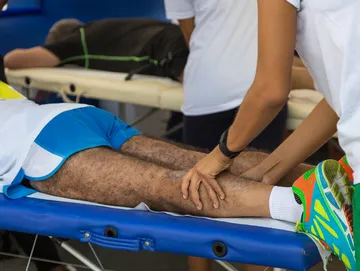
Sports massage is a targeted therapeutic technique designed to enhance athletic performance, prevent injuries, and promote faster recovery. Unlike general relaxation massages, sports massage focuses on the specific needs of athletes and active individuals, addressing the muscles, tendons, and connective tissues most frequently used in their activities. Whether preparing for a competition, maintaining fitness, or recovering from an intense workout, sports massage provides tailored support to optimize the body’s functioning.
One of the primary goals of sports massage is to improve performance by keeping muscles flexible, balanced, and ready for activity. Athletes place significant demands on their bodies, often developing patterns of overuse, tightness, and muscular imbalances. Sports massage improves range of motion, increases circulation, and reduces tension, helping athletes perform at their peak while minimizing the risk of injury.
Sports massage is also highly effective in preventing injuries. When muscles become tight or fatigued, they are more prone to strains, tears, and other injuries. By identifying and addressing tight areas, adhesions, and muscular imbalances, therapists can help athletes maintain proper biomechanics and reduce stress on vulnerable tissues. Regular sports massage sessions can identify potential issues before they become major problems, making it a valuable tool in injury prevention.
Another major benefit of sports massage is faster recovery. After intense training or competition, muscles often accumulate metabolic waste such as lactic acid. This buildup can lead to soreness, stiffness, and reduced performance. Sports massage increases blood flow, which helps flush out waste products and deliver essential nutrients and oxygen to the muscles. This accelerated healing process reduces soreness and prepares athletes for their next training session.
Sports massage incorporates a variety of techniques based on the athlete’s needs. Deep tissue techniques target deeper layers of muscle and fascia, breaking down adhesions and restoring proper function. Trigger point therapy focuses on specific “knots” that cause referred pain or restrict movement. Stretching techniques lengthen tight muscles and improve flexibility, while myofascial release reduces restrictions in connective tissue. Together, these methods create a comprehensive approach to maintaining athletic health.
Pre-event sports massage is designed to warm up the muscles and prepare the body for competition. The techniques used are typically faster and lighter than deep tissue work, helping increase circulation and muscle responsiveness. Post-event sports massage, on the other hand, focuses on recovery by reducing muscle fatigue, calming the nervous system, and preventing delayed onset muscle soreness.
Sports massage can also enhance mental performance. Athletes often face stress, pressure, and mental fatigue during training and competition. Massage helps reduce anxiety, improve focus, and promote relaxation. This mental reset can be extremely beneficial for maintaining confidence, motivation, and concentration.
Another advantage of sports massage is its ability to improve flexibility. Tight muscles can restrict joint movement and reduce athletic performance. Through targeted stretching and soft-tissue manipulation, sports massage increases flexibility, allowing for smoother, more efficient movements. Enhanced flexibility not only improves performance but also reduces the chance of injury.
Sports massage also plays an important role in post-injury rehabilitation. When injuries occur, scar tissue often forms, limiting mobility and causing discomfort. Sports massage helps break down excess scar tissue and restore proper alignment and function to the affected areas. This process accelerates healing and helps athletes return to activity more quickly and safely.
Athletes in all sports can benefit from sports massage—runners, weightlifters, cyclists, swimmers, martial artists, and team-sport players alike. Each sport places unique demands on the body, and sports massage can be customized to address specific muscle groups and movement patterns. For example, runners may need focused work on the calves, hamstrings, hips, and IT band, while golfers may benefit from attention to the shoulders, lower back, and forearms.
Communication is essential during sports massage. Because athletes vary in pain tolerance and muscle sensitivity, therapists must adjust pressure and technique based on feedback. This collaborative approach ensures both safety and effectiveness.
In summary, sports massage is a highly specialized therapy that plays an essential role in athletic performance, injury prevention, and recovery. By improving circulation, reducing tension, enhancing flexibility, and restoring proper muscle function, sports massage helps athletes of all levels train harder, recover faster, and perform better. Whether used as part of a regular athletic routine or during periods of intense training, sports massage remains one of the most valuable tools for maintaining optimal physical and mental performance.