
Cupping Therapy
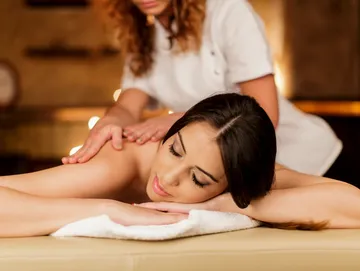
Cupping therapy is an ancient healing technique that uses suction to promote circulation, relieve muscle tension, and support the body’s natural healing processes. Rooted in traditional medicine practices that date back thousands of years, cupping has gained widespread popularity in modern wellness because of its ability to deliver powerful therapeutic results. The distinct circular marks left behind by cupping have become widely recognized, especially among athletes, celebrities, and individuals seeking effective pain relief.
Cupping involves placing specialized cups on the skin to create suction. This suction draws the skin and underlying tissues upward into the cup, helping loosen muscle fibers, increase blood flow, and promote the movement of lymphatic fluid. There are two main types of cupping: dry cupping and wet cupping. Dry cupping uses suction alone, while wet cupping involves a small incision before suction to remove a small amount of blood. Most modern wellness practices focus exclusively on dry cupping for safety and comfort.
One of the primary benefits of cupping therapy is its ability to relieve muscle tension. The suction created by the cups lifts tension away from deeper layers of tissue, allowing muscles to relax more effectively than with traditional compression-based massage techniques. This lifting action can break down adhesions, soften tight muscles, and restore mobility. Cupping is especially effective for conditions like neck stiffness, shoulder tightness, back pain, and tension caused by poor posture or repetitive movements.
Cupping also enhances circulation. By drawing blood to the surface, cupping increases oxygenation and helps deliver vital nutrients to areas that may be stagnant or inflamed. Improved circulation accelerates healing, reduces inflammation, and supports tissue regeneration. Many clients notice immediate relief from pain, stiffness, and limited mobility after a cupping session.
Another significant benefit of cupping is lymphatic drainage. The suction helps move lymph—fluid that carries toxins, waste, and immune cells—through the body more efficiently. This helps reduce swelling, boost immune function, and support overall detoxification. Individuals dealing with edema, sluggish lymphatic flow, or immune challenges may find cupping especially beneficial.
Cupping therapy can also reduce chronic pain. Conditions such as fibromyalgia, arthritis, migraines, and chronic back pain often involve restricted blood flow, tight fascia, and inflammation. Cupping helps break through these restrictions and promotes better movement within the soft tissues. Many chronic pain sufferers experience noticeable improvements after regular cupping treatments.
Athletes frequently use cupping therapy to enhance performance and speed recovery. After strenuous exercise, muscles often become tense, sore, and filled with metabolic waste. Cupping helps relieve soreness, reduce lactic acid buildup, and promote faster recovery between training sessions. This is why cupping marks are commonly seen on professional swimmers, gymnasts, and runners.
Cupping is highly versatile and can be used in conjunction with other therapies such as deep tissue massage, acupuncture, or stretching. Many massage therapists integrate cupping into sessions to reach deeper layers of muscle without using excessive pressure. This allows for effective treatment with reduced discomfort for the client.
Cupping therapy can also benefit the skin. By improving circulation, cupping helps deliver nutrients to the skin, enhancing elasticity and promoting a healthy glow. It may reduce the appearance of cellulite, minimize scar tissue, and improve skin tone through increased blood flow and tissue regeneration.
The marks left by cupping are often misunderstood. These marks are not bruises but rather signs of increased blood flow and the release of stagnation beneath the skin. They typically fade within a few days to a week. The color of the marks can vary depending on the level of tension or stagnation present in the tissues. Darker marks often indicate deeper tension or toxins, while lighter marks suggest less stagnation.
Cupping is generally safe when performed by a trained practitioner. However, it may not be suitable for individuals with certain medical conditions, such as bleeding disorders, skin infections, or severe cardiovascular issues. A thorough consultation ensures the therapy is appropriate for each client.
In summary, cupping therapy is a powerful and effective technique that offers numerous physical and therapeutic benefits. By improving circulation, reducing tension, supporting lymphatic flow, and promoting healing, cupping provides long-lasting relief for a wide range of conditions. Its versatility and effectiveness make it an excellent addition to any wellness routine, helping clients achieve improved mobility, reduced pain, and enhanced overall well-being.