
Graston Technique
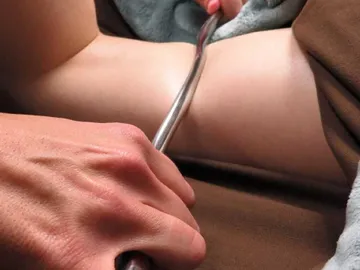
Graston Technique is a specialized form of instrument-assisted soft tissue mobilization (IASTM) designed to identify and treat areas of soft-tissue restriction, scar tissue, and chronic inflammation. Using stainless-steel instruments to glide across the skin, practitioners can detect irregularities in the tissue and apply targeted pressure to break down adhesions and restore proper movement. This evidence-based method is widely used by physical therapists, chiropractors, athletic trainers, and massage therapists to treat a variety of musculoskeletal conditions.
The primary goal of Graston Technique is to improve function by addressing limitations in the fascia, muscles, and connective tissue. When injuries occur, the body forms scar tissue as part of the healing process. While scar tissue is essential, excessive or improperly aligned scar tissue can restrict movement, cause pain, and limit mobility. Graston instruments help break down these adhesions, allowing the tissue to heal more effectively and move more freely.
One of the most significant benefits of Graston Technique is its ability to treat chronic conditions that have not responded to traditional therapies. Conditions such as plantar fasciitis, carpal tunnel syndrome, Achilles tendinosis, tennis elbow, and chronic back or neck pain often involve dense scar tissue and prolonged inflammation. Graston’s targeted approach helps reduce these restrictions, bringing long-lasting relief and improved function.
During a Graston session, the practitioner begins by warming up the affected area to increase tissue elasticity. The stainless-steel tools, which come in various shapes and sizes, are then applied to the skin using specialized strokes. As the instrument moves across the tissue, the practitioner can feel adhesions or restrictions through subtle vibrations transmitted through the tool. This feedback allows for precise treatment and effective targeting of problem areas.
Graston Technique also enhances circulation. The pressure applied stimulates blood flow, promoting oxygenation and encouraging nutrient delivery to damaged tissues. This accelerated healing response helps reduce inflammation and restore normal function. Improved circulation also supports lymphatic drainage, which helps remove waste and reduce swelling.
Another major benefit of Graston Technique is increased range of motion. Scar tissue and tight fascia can severely restrict mobility, causing discomfort and reduced functional movement. By breaking down these restrictions, Graston helps restore flexibility and improve joint mechanics. Individuals recovering from surgery, injuries, or chronic conditions often experience significant improvements in mobility after just a few sessions.
Graston Technique also helps reduce pain by stimulating sensory receptors in the soft tissue. This stimulation can alter pain perception and decrease hypersensitivity in injured areas. With continued treatment, the body begins to remodel the soft tissue, creating healthier, more functional structures that support long-term pain reduction.
Athletes frequently use Graston Technique due to its effectiveness in addressing overuse injuries. Repetitive movements can cause microtears, inflammation, and adhesions in the muscles and tendons. Graston helps break down this scar tissue and restore normal movement patterns, reducing the risk of future injuries and improving performance. Regular sessions can help maintain optimal muscle function throughout the training season.
Graston Technique is also beneficial during post-surgical rehabilitation. Scar tissue often forms after surgery, limiting mobility and causing discomfort. By gently breaking down excessive scar tissue, Graston helps patients regain motion and accelerate recovery. This makes it a valuable tool in physical therapy and rehabilitation settings.
While Graston Technique can be intense, communication between the practitioner and client ensures a comfortable and effective treatment. Some mild soreness or redness may occur after a session, but this is a normal part of the healing process. Proper hydration, stretching, and follow-up exercises help support recovery and enhance results.
In summary, Graston Technique is a powerful therapeutic method that offers targeted relief for chronic pain, soft-tissue restrictions, and mobility limitations. Its ability to break down scar tissue, improve circulation, and restore proper function makes it one of the most effective tools for treating musculoskeletal conditions. Whether used for injury recovery, athletic performance, or chronic pain management, Graston Technique provides long-lasting benefits that support overall physical health and mobility.